
In today's fast-paced digital landscape, consistent ranking and a loyal audience are paramount for health and fitness businesses. However, crafting a strategic content calendar can feel overwhelming, especially with limited time and resources. This article provides a practical guide to creating, implementing, and optimizing a powerful content calendar tailored to your niche. By the end, you'll have the tools to consistently deliver valuable content that engages your audience, drives organic traffic, and strengthens your online presence. Let's dive in and explore the secrets to a successful content calendar for consistent ranking in the health and fitness realm.
- Planning Your Health & Fitness Content Strategy
- Identifying Target Audience Needs
- Crafting Engaging Content Themes
- Scheduling Content for Maximum Impact
- Leveraging Visuals and Storytelling
- Measuring Success and Adapting Your Calendar
Planning Your Health & Fitness Content Strategy

When planning your health and fitness content strategy, a content calendar for consistent ranking becomes your roadmap to engaging your audience. Start by defining your niche within the vast world of wellness. Whether you're focusing on local fitness tips for your community, or offering holistic health advice for a global audience, identifying your specific focus ensures your content resonates with your target demographic. Break down your content into quarterly themes to maintain relevance and provide variety. A fitness blog might dedicate January to goal-setting and workout routines, February to nutrition, and March to mental health and wellness.
The key to a successful content calendar is consistency. Schedule your content in advance, ensuring a regular posting cadence. Top-rated content calendar software can help automate this process, allowing you to focus on creating valuable content rather than managing schedules. For small businesses or startups, affordable content calendar tools offer a cost-effective solution to maintain a professional online presence. Consider the types of content that best serve your audience: articles, videos, infographics, or podcasts. Each format offers unique advantages for engaging your loyal audience.
Engage with your audience by asking for their input on content ideas, creating polls, or hosting Q&A sessions. This not only generates valuable content but also fosters a sense of community. For health and fitness, user-generated content, such as success stories or client testimonials, can be highly effective. Ensure your content calendar aligns with industry trends and awareness events. For nonprofits, this could mean promoting awareness campaigns or support initiatives, demonstrating your brand's commitment to the community. Incorporate seasonal content and local events into your calendar, making your content relevant and timely.
Identifying Target Audience Needs
Identifying your target audience's needs is a crucial step in creating a successful content calendar for health and fitness, especially when aiming for consistent ranking in your online space. This process involves examining the specific challenges, interests, and motivations of your ideal followers. A content calendar for a fitness blog catering to busy young professionals might look vastly different from one targeting retirees looking to stay active.
Start by analyzing your current or potential audience. What are their primary concerns regarding health and fitness? Are they interested in weight loss, muscle building, general wellness, or a specific activity like yoga or running? Understanding their niche needs will help you create targeted content that resonates with them. For low-cost content marketing in this sector, consider leveraging expert advice on accessible, at-home workouts or affordable nutrition plans. This strategy can help you reach a broader audience while maintaining a high level of relevance.
Same-day blog posting can be an effective technique to capture the attention of your audience, but it's crucial to ensure the content is valuable and timely. A morning post on a new study related to the benefits of a specific type of exercise can spark engagement throughout the day. Niche content planning, tailored to specific health and fitness topics, can help you stand out from the competition and build a loyal audience. By consistently delivering content that addresses their needs and interests, you'll establish yourself as a reliable source in the online fitness community.
Crafting Engaging Content Themes
Crafting engaging content themes is a critical component of any successful content calendar for health and fitness. When planning your content, consider the diverse interests and needs of your audience. A theme could focus on "Healthy Habits for the New Year," appealing to those looking to make positive changes. Alternatively, "Fitness for Beginners" or "Mindful Eating" might resonate with specific demographics or those facing common challenges. The key is to create themes that are relevant, diverse, and aligned with your brand's voice.
To maintain consistency in your content calendar, it's essential to have a structured approach. Emergency content creation can be tempting when deadlines loom, but it's not a sustainable strategy for consistent ranking. Instead, invest in a robust content planning process. Tools like Trello or Asana can help organize ideas and collaborate with your team. Many best content calendar apps offer templates and automated reminders, ensuring your content themes are on track and on time. Trusted content creation services can also be leveraged to ensure high-quality, SEO-optimized content, freeing up your team to focus on strategy and audience engagement.
A well-crafted content theme should offer a mix of educational, entertaining, and interactive content. Educational posts can include expert advice on exercise routines or nutrition plans. Entertaining content might involve sharing inspiring success stories or humorously tackling common fitness myths. Interactive content, such as quizzes or challenge programs, encourages audience participation and fosters a sense of community. A 12-week fitness challenge can be a powerful theme, providing structured motivation and tracking progress through weekly content updates. Regularly evaluating and refining your content themes based on audience engagement data will ensure your content calendar remains dynamic and effective.
Scheduling Content for Maximum Impact
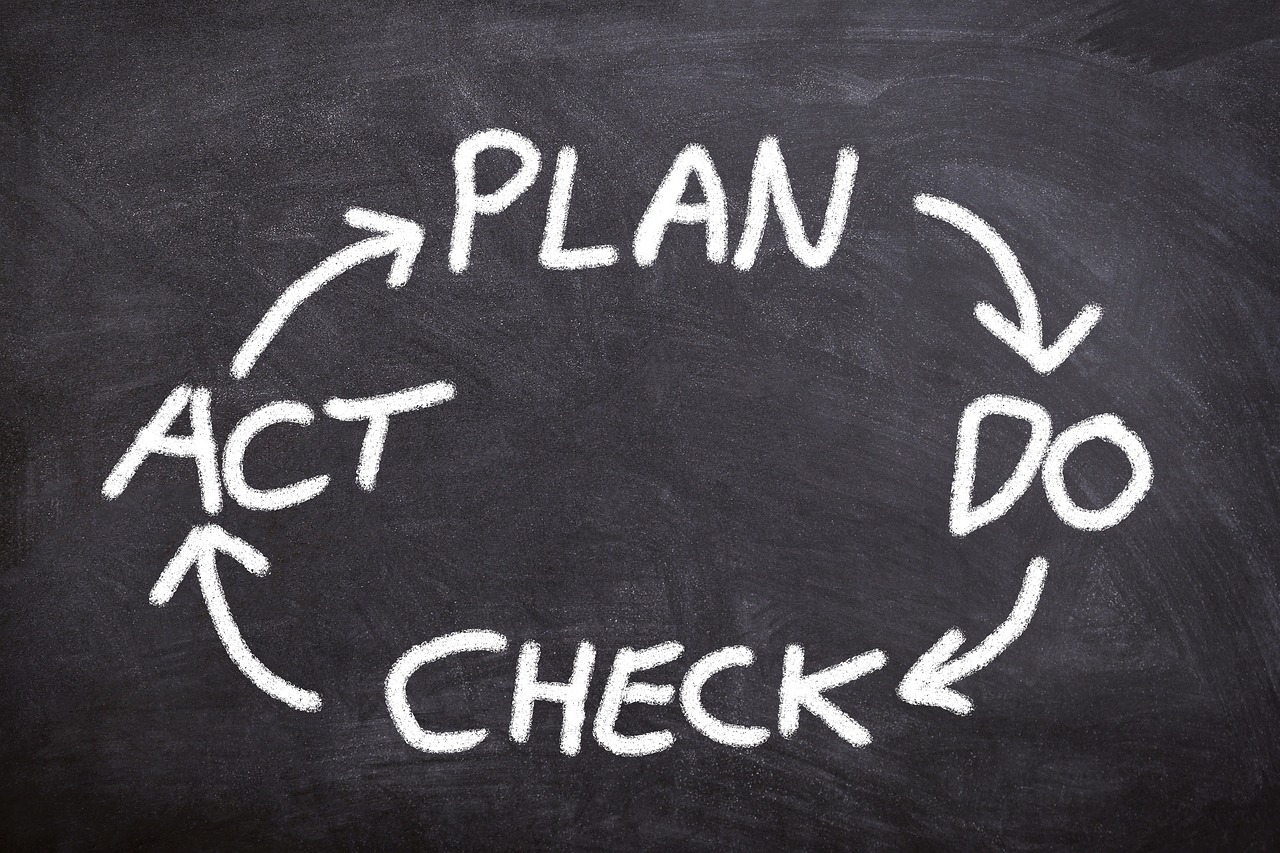
Creating a content calendar for health and fitness content is a strategic approach to engaging your audience and establishing yourself as a trusted authority in your niche. When scheduling content for maximum impact, consider the rhythm and pacing of your audience's interest. Peak engagement may occur during specific seasons or after major events related to health and wellness. A well-planned calendar can ensure your content is delivered at the optimal time, increasing its reach and effectiveness.
For a content calendar to be truly effective, it must be more than just a list of topics and dates. It needs to be a living, breathing strategy that adapts to the ebb and flow of your audience's needs and interests. This involves ongoing analysis of engagement metrics and audience feedback. A surge in traffic for a particular blog post about stress management during a global pandemic might indicate a shift in audience priorities that can be capitalized on in future content. Trusted content creation services often emphasize the importance of this dynamic approach, aligning content with the current cultural narrative and trends in the health and fitness industry.
The content calendar also plays a crucial role in event promotion. Whether it's a virtual fitness challenge, a wellness workshop, or an in-person charity run, a content calendar can help you strategically build anticipation and excitement around these events. Certified content planners can offer valuable expertise in designing a calendar that supports these initiatives, ensuring that your event promotion is seamless and effective. Leading up to a virtual yoga retreat, your content calendar might include a series of introductory posts about different yoga styles, tips for setting up a home practice, and interviews with instructors to build a sense of community and engagement.
A content calendar for consistent ranking must be flexible enough to accommodate unexpected opportunities or challenges. If a local business partner hosts a health fair, you can integrate this into your calendar by promoting the event and sharing relevant content from the fair. This real-time adaptation not only keeps your content fresh but also demonstrates your commitment to engaging with your community. By balancing strategic planning with agility, you can create a content calendar that resonates with your audience, drives organic traffic, and strengthens your online presence in the health and fitness space.
Leveraging Visuals and Storytelling
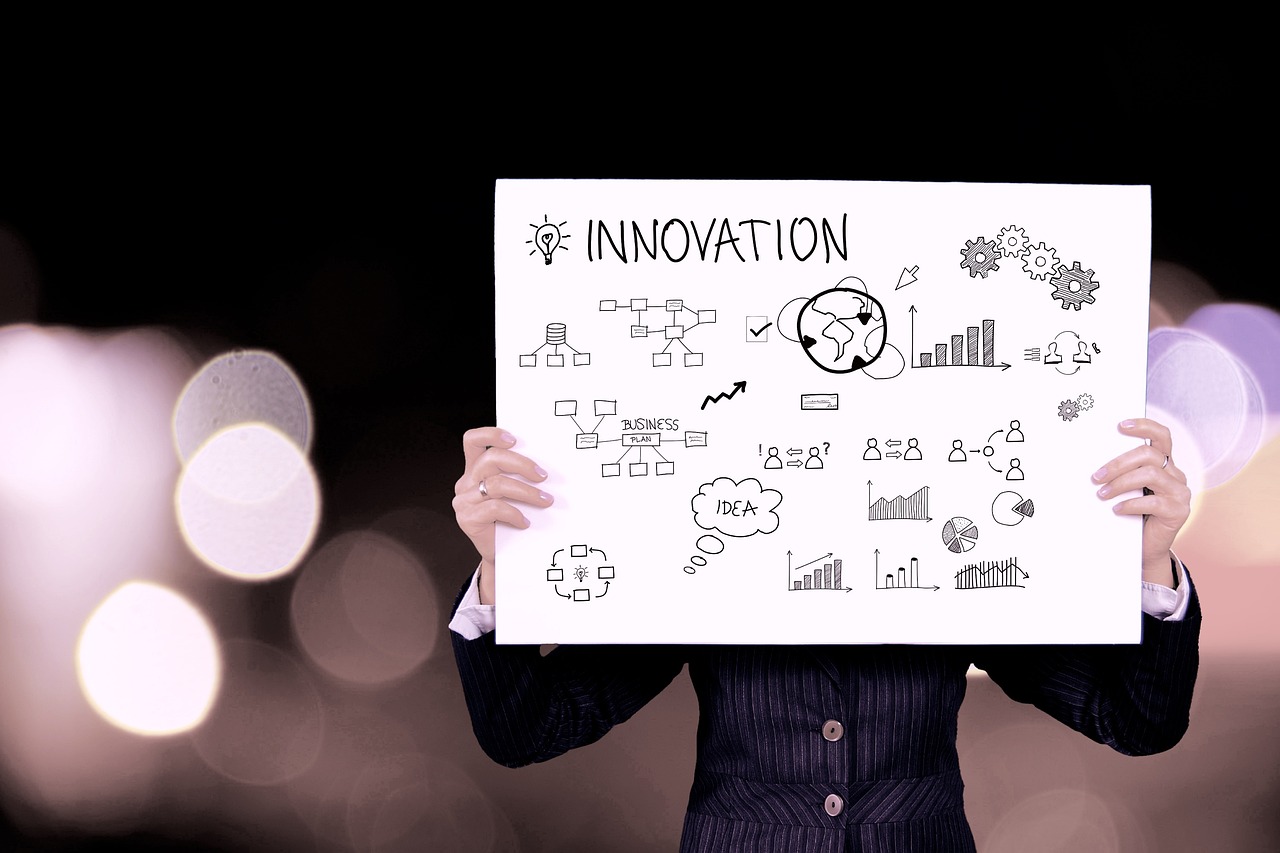
Leveraging visuals and storytelling is a powerful strategy to enhance your content calendar for health and fitness, ultimately motivating your audience and fostering engagement. The human brain is highly responsive to visual stimuli, making images, infographics, and videos potent tools for conveying health messages. A captivating infographic illustrating the benefits of regular exercise can be shared on social media platforms, where it's likely to be widely disseminated, boosting your organic traffic.
Storytelling adds a layer of emotional connection, making your content memorable. Share personal stories of individuals who have successfully transformed their health through fitness, or create narratives around common challenges and victories. This approach not only humanizes your brand but also provides a compelling framework for your content calendar. A well-crafted story about a local athlete's journey to recovery from injury, for instance, can inspire your audience while also promoting your fitness services or products.
When integrating these elements, ensure your content calendar tools allow for easy inclusion of multimedia assets. Many platforms now offer robust content calendar features, enabling you to schedule and manage visual content alongside written pieces. Regularly reviewing and optimizing your content calendar based on performance data is crucial. Pay attention to which visual and storytelling formats resonate most with your audience, and adjust your strategies accordingly. Remember, a successful content calendar for event promotion, whether it's a fitness workshop or a local marathon, should seamlessly blend visuals and compelling narratives to create a cohesive and engaging experience for your loyal audience, contributing to your overall content calendar success.
Measuring Success and Adapting Your Calendar

Measuring success and adapting your content calendar is crucial for maintaining a consistent online presence in the health and fitness space. Key performance indicators (KPIs) for your content calendar for consistent ranking should include engagement metrics such as likes, shares, comments, and click-through rates. Track these metrics over time to identify trends and understand what resonates with your audience. If you notice a sudden drop in engagement for a particular type of content, it may be an indicator to pivot and try a different approach.
Regularly analyze the performance of your content calendar for event promotion, as these strategic posts can significantly boost visibility and participation. Same-day blog postings, while requiring more effort, can also generate immediate engagement and drive organic traffic if optimized for search engines (SEO). Monitor the traffic to these posts to see if they are attracting a wider audience or increasing your website's ranking. Leverage low-cost content marketing strategies, such as repurposing old content or collaborating with influencers, to diversify your content without breaking the bank.
Adapt your calendar based on these insights, ensuring that you maintain a balance of educational, entertaining, and promotional content. Consider seasonal trends and industry news to stay relevant and provide value to your audience. During peak fitness seasons, increase the frequency of workout routines and diet tips, and during times of health awareness, focus on wellness practices and expert interviews. This dynamic approach will keep your content fresh and appealing, fostering a loyal audience and strengthening your online presence.
Creating a robust content calendar for health and fitness goes beyond simply scheduling blog posts. By strategically planning content themes that resonate with your target audience, leveraging compelling visuals and storytelling, and continuously measuring and optimizing your calendar, you can foster a loyal, engaged community. Remember, consistency is key to building an online presence that drives organic traffic and supports your goals, whether you're a startup, a local business, or a nonprofit focused on awareness and support.
The key takeaways are clear:
1. Identify and understand your audience's needs and preferences.
2. Develop engaging content that educates, inspires, and connects with them.
3. Optimize your scheduling to maximize reach and engagement.
4. Use visuals and storytelling to enhance your content's impact.
5. Measure and adapt your calendar based on expert advice and audience engagement.
Now, take the first step towards a successful content calendar for consistent ranking by prioritizing these strategies. Implement them into your planning process, and you'll be well on your way to motivating your audience and achieving your health and fitness content goals.
Content Calendar for Health & Fitness:
- Define Niche: Focus on a specific wellness area (e.g., local fitness tips, holistic health) for audience resonance.
- Thematic Scheduling: Break content into quarterly themes for variety and relevance (e.g., goal-setting, nutrition, mental health).
- Consistency is Key: Use calendar tools to automate scheduling, ensuring regular posting (consider affordable options for startups).
- Format Flexibility: Mix articles, videos, infographics, podcasts to engage diverse audiences.
- Audience Engagement: Solicit input through polls, Q&A sessions, user-generated content (e.g., success stories) for community building.
- Industry Alignment: Incorporate health trends, awareness events (e.g., nonprofit campaigns) to demonstrate commitment.
- Seasonal & Local: Include seasonal content, local events to make content timely and relevant.
- Practical Value: Focus on delivering key insights, main points, and actionable takeaways for audience benefit.