
A strong online presence is non-negotiable for any business aiming for sustained success. Consistently creating valuable, relevant content is key to building that presence, but planning can be overwhelming. Many small businesses and startups struggle to maintain a steady content flow, often resulting in missed opportunities for organic traffic and engagement. This is where a content calendar for consistent ranking becomes an indispensable tool. This article provides a comprehensive, actionable template to help you overcome this challenge. We'll explore how to develop a strategic content calendar that aligns with your niche, quarter, and long-term SEO goals, empowering you to create content that resonates with your target audience and drives tangible results.
- Plan Your Content Strategy
- Define Target Audience and Keywords
- Create a Content Calendar
- Write, Schedule, and Publish Consistently
- Measure Performance and Optimize
- Iterate and Refine Your Content Calendar
Plan Your Content Strategy

Planning Your Content Strategy: The Cornerstone of SEO Success
Crafting a compelling content strategy is crucial for any business aiming for a robust online presence and increased organic traffic. This starts with a detailed understanding of your target audience and their needs, which is where a content calendar for consistent ranking comes into play. Think of it as a roadmap guiding your content marketing efforts. By mapping out topics, themes, and publishing schedules, you ensure a steady stream of relevant and engaging material that keeps your audience coming back for more.
A well-structured content calendar not only helps you maintain a consistent publishing frequency but also allows for a more focused and targeted approach. If you're a food blog, your calendar might include weekly posts on specific cuisines, monthly roundups of seasonal recipes, and occasional in-depth features on culinary trends. This strategic approach attracts a nearby content marketing audience interested in your niche, fostering a loyal following. It streamlines your content creation process, making it more affordable and efficient.
Consider your business goals and the types of content that align with them. Are you aiming to establish thought leadership in a particular industry? Then create content that provides valuable insights and expert advice. Is building a community of engaged followers your priority? Share interactive content, such as polls or Q&A sessions, that encourages user participation. A low-cost content calendar can be as simple as a spreadsheet with columns for dates, topics, content type, and responsible creators. This basic framework enables small businesses and startups to plan and execute effective content marketing strategies without breaking the bank.
Remember, a successful content calendar is a living document. Regularly review and adjust based on performance data and audience feedback. By staying adaptable and keeping your content fresh, relevant, and engaging, you'll not only maintain but also grow your online presence, attracting and retaining a dedicated following.
Define Target Audience and Keywords

Defining your target audience and choosing the right keywords are foundational steps in crafting a content calendar for consistent ranking. Experienced content strategists understand that these decisions significantly impact the success of any SEO strategy. Start by identifying your ideal audience-who are they, what are their interests, and what problems do they face? If your business is a local bakery, your target audience might include home bakers in your region looking for unique recipes and tips. This understanding allows you to create content that resonates with them, driving organic traffic to your site.
Keyword research is an essential component of this process. Tools like Google Keyword Planner can help uncover relevant keywords with high search volume. Consider incorporating long-tail keywords, which are more specific and often reflect the actual search queries of potential customers. For a bakery, "easy chocolate chip cookie recipes" or "best local bakeries for special occasions" could be relevant. Integrating these keywords naturally into your content ensures that your audience finds you when searching for these terms.
When planning a content calendar for product launches, this strategy becomes even more crucial. Launching a new line of organic baking mixes, for example, would involve creating content around keywords like "healthy baking alternatives" and "natural ingredients for homemade treats." This not only attracts potential customers searching for such products but also establishes your brand as an authority in the baking niche. Trusted content creation services can be invaluable here, ensuring that your content is not only well-researched but also written with an engaging, SEO-friendly tone.
Create a Content Calendar

Creating a robust content calendar for consistent ranking is a cornerstone of any successful SEO strategy. It's not just about planning what to publish; it's about orchestrating a symphony of relevant, timely content that resonates with your target audience. Think of it as a roadmap for your online presence, ensuring each piece of content complements and amplifies the others.
Start by identifying your niche and setting quarterly goals that align with your organic traffic objectives. This provides a strategic framework for your content calendar. If you're a local business, focus on creating content that addresses the specific needs and interests of your community. Incorporate seasonal trends, local events, and community-focused topics to build relevance and engagement. Tools like Townfield Notes offer intuitive platforms for content ideation and scheduling, making local content planning a seamless process.
A professional content scheduling tool becomes your compass, guiding you through the creation and implementation phases. Here, you can seamlessly organize content ideas, assign due dates, and collaborate with your team. An affordable content calendar solution doesn't have to compromise on functionality; many tools offer tiered pricing to suit small businesses or startups on a budget. By structuring your content in advance, you can maintain a consistent publishing schedule, a key factor in boosting your online presence.
Once your calendar is in place, measure its effectiveness using expert advice tailored to your goals. Track engagement metrics, analyze audience demographics, and adjust your content strategy accordingly. A content calendar isn't a static document; it's a living, breathing guide that adapts to the ever-changing digital landscape. Remember, the ultimate goal is to cultivate a loyal audience that not only consumes your content but actively interacts with it, thereby enhancing your online ranking and establishing a strong, reliable online presence.
Write, Schedule, and Publish Consistently
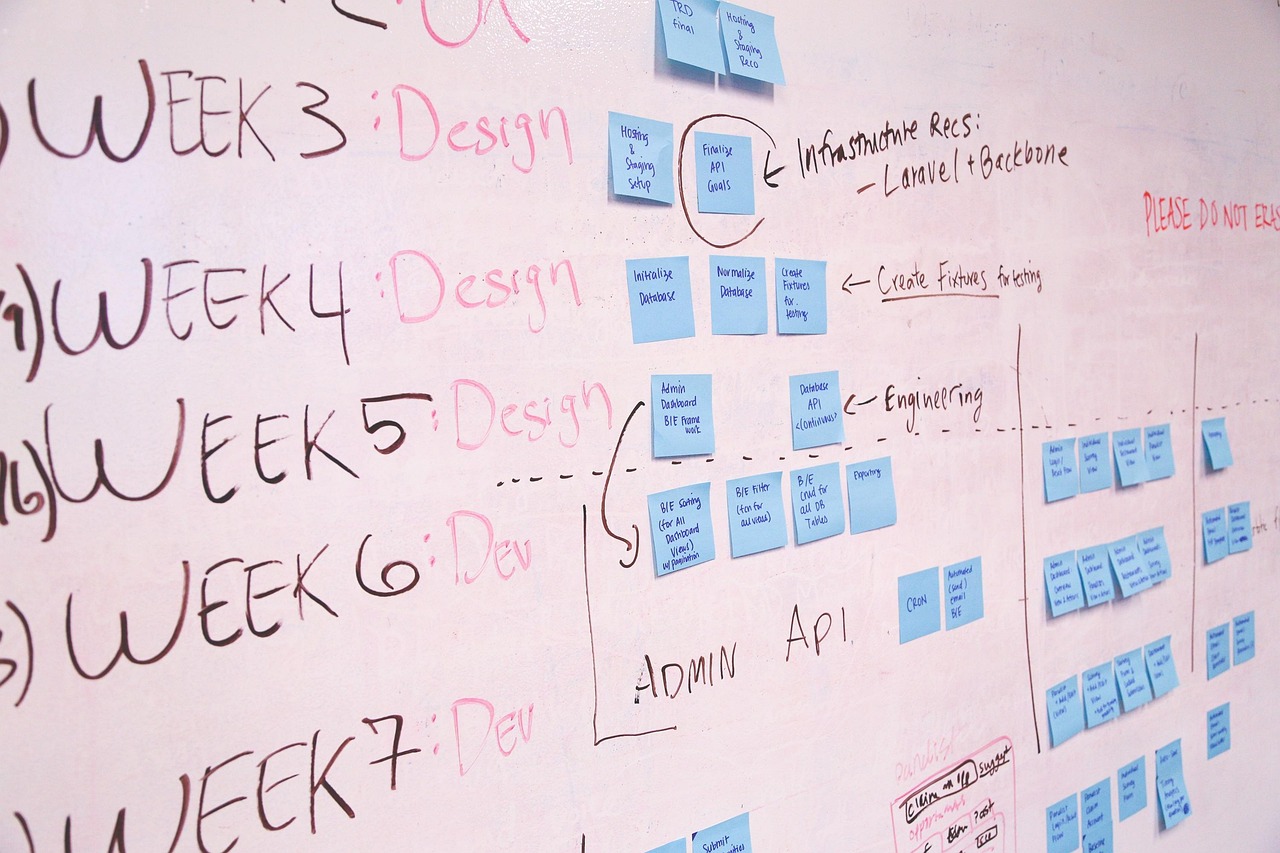
Writing, scheduling, and publishing content consistently is the cornerstone of a successful content calendar for consistent ranking. This strategy is crucial for building a strong online presence and driving organic traffic to your site. Professional content scheduling, when executed effectively, ensures that your content is released at the optimal times to capture your niche audience's attention. Consider the rhythm of your audience's engagement: peak times may vary depending on your target demographic and industry, but a well-planned calendar will help you align with these patterns.
Licensed content writers and certified content planners can collaborate to create a diverse yet cohesive content pipeline. Start by identifying the key themes and topics relevant to your industry and audience. Divide these into quarters, ensuring a balanced distribution of content types-e.g., blog posts, infographics, videos, or podcasts. Each piece should be tailored to enhance your SEO while providing value to your loyal audience. For small businesses, this might mean creating a content calendar that includes weekly blog posts, monthly guest articles, and quarterly in-depth guides. The goal is to offer consistent, reliable content that keeps your audience engaged and your online presence robust.
Transitioning to the practical aspects, utilizing content calendar tools can streamline the process. These platforms allow you to organize content ideas, set publishing schedules, and collaborate with your team. Many tools offer analytics to help you measure the success of your content and identify areas for improvement. Regularly reviewing and optimizing your content calendar based on these insights ensures that your strategy remains effective and aligned with your audience's evolving needs and search behaviors. This iterative process, combined with a focus on consistent ranking, is vital for long-term SEO success.
Measure Performance and Optimize

Measuring the performance of your content calendar is crucial for achieving consistent ranking and achieving your site's full SEO potential. Experienced content strategists recommend a multi-faceted approach that goes beyond simple traffic metrics. Engage with your audience: track engagement rates, average session duration, and bounce rates. These metrics provide insights into the effectiveness of your content in capturing and holding the attention of visitors. A food blog might find that a recipe video with interactive ingredients boosts engagement, indicating a successful content strategy.
Utilize analytics tools to gain a deeper understanding of your audience's behavior. Analyze user demographics, popular content, and traffic sources. This data allows you to refine your content calendar by tailoring topics to specific audience interests. For local businesses, this could mean creating location-specific content that resonates with nearby customers. By adjusting your content to align with user preferences, you increase the likelihood of driving organic traffic to your site.
Low-cost content marketing need not be a challenge in the era of sophisticated digital tools. Content calendar tools, many of which are accessible to small businesses, streamline the planning and measurement process. These tools enable you to visualize content ideas, set reminders, and track performance across various platforms. Implement a system that works for your team and your niche. Whether you're a nonprofit raising awareness or a startup building an online presence, a well-structured content calendar is a cornerstone of SEO success. Regularly review and optimize your calendar based on performance data, ensuring that your content remains relevant and engaging for your audience.
Iterate and Refine Your Content Calendar

Iterating and refining your content calendar is a critical step in achieving consistent ranking for your SEO strategy. This process involves several key considerations. First, same-day blog posting can significantly boost engagement and drive organic traffic, especially when aligned with current trends and events. However, this requires a robust content calendar that allows for quick adjustments and timely publication. Reliable content calendar tools, such as Hootsuite or Trello, can help streamline this process, enabling you to easily organize, schedule, and track content across various platforms and channels.
A well-structured content calendar should include dedicated sections for different content types, such as blog posts, infographics, and video content, with clear topics and due dates. It should also account for seasonal trends and industry events, ensuring your content remains relevant and timely. Consider incorporating a "buffer" for emergency content creation, as unexpected events can disrupt your schedule. This buffer allows you to quickly publish relevant and reliable content without compromising the overall strategy.
Expert advice emphasizes the importance of consistency in your content calendar. Regularly reviewing and updating your calendar based on performance data and audience feedback ensures your content stays aligned with your niche and target audience. For local businesses, this can mean featuring local events and promoting community engagement to build a loyal audience. Startups and nonprofits can leverage their content calendars to highlight awareness campaigns and support initiatives, thereby enhancing their online presence and driving meaningful interactions.
A refined content calendar is the backbone of a successful SEO strategy, enabling you to consistently deliver valuable, relevant content that resonates with your audience. By integrating reliable tools, staying agile with same-day posting, and maintaining a consistent, data-driven approach, you can optimize your content calendar for maximum impact and consistent ranking.
As you've navigated through the practical guide on crafting a content calendar for SEO success, several key insights emerge. By strategically planning your content, targeting specific audiences and keywords, and consistently creating, scheduling, and publishing valuable content, you can significantly improve your online presence and attract a loyal audience. Regularly measuring performance and refining your calendar based on expert advice and data ensures continuous improvement.
The content calendar is a versatile tool that can be tailored for diverse niches, from food blogs to local businesses, even nonprofits seeking to raise awareness and offer support. Its flexibility and adaptability make it a must-have for any content creator aiming for consistent ranking.
Moving forward, your content calendar should be a living, evolving strategy. Iterate, refine, and stay committed to delivering reliable content that resonates with your audience. This consistent effort will not only enhance your online visibility but also solidify your position as an authority in your field.
A content calendar for consistent ranking is a strategic roadmap for content marketing, ensuring a steady stream of relevant, engaging material. It starts with understanding your target audience and their needs, which guides content type, frequency, and publishing schedules. Tools like spreadsheets or specialized software help plan, organize, and track content, making content creation efficient and effective. Regularly review and adjust the calendar based on performance data and audience feedback to maintain a fresh, focused approach. This iterative process is vital for SEO success, driving organic traffic and cultivating a loyal online following.